 Cartilage
 Knees
Knees Hip
Hip Shoulder
ChondroFiller Cartilage Regeneration Preparation and Recovery
02/03/26


Moderate knee osteoarthritis (OA) is a common condition, caused by the gradual wear and tear of cartilage in the knee joint. It often leads to pain, stiffness, and difficulties with movement, affecting many adults, particularly those middle-aged and older. While surgery, such as knee replacement, is often considered for advanced cases, many people want to delay or avoid surgery due to concerns about recovery time, possible complications, and the disruption it can cause to their everyday lives. Arthrosamid has recently emerged as an exciting non-surgical option, offering a “bridge” for those who want to manage their symptoms effectively while staying active.
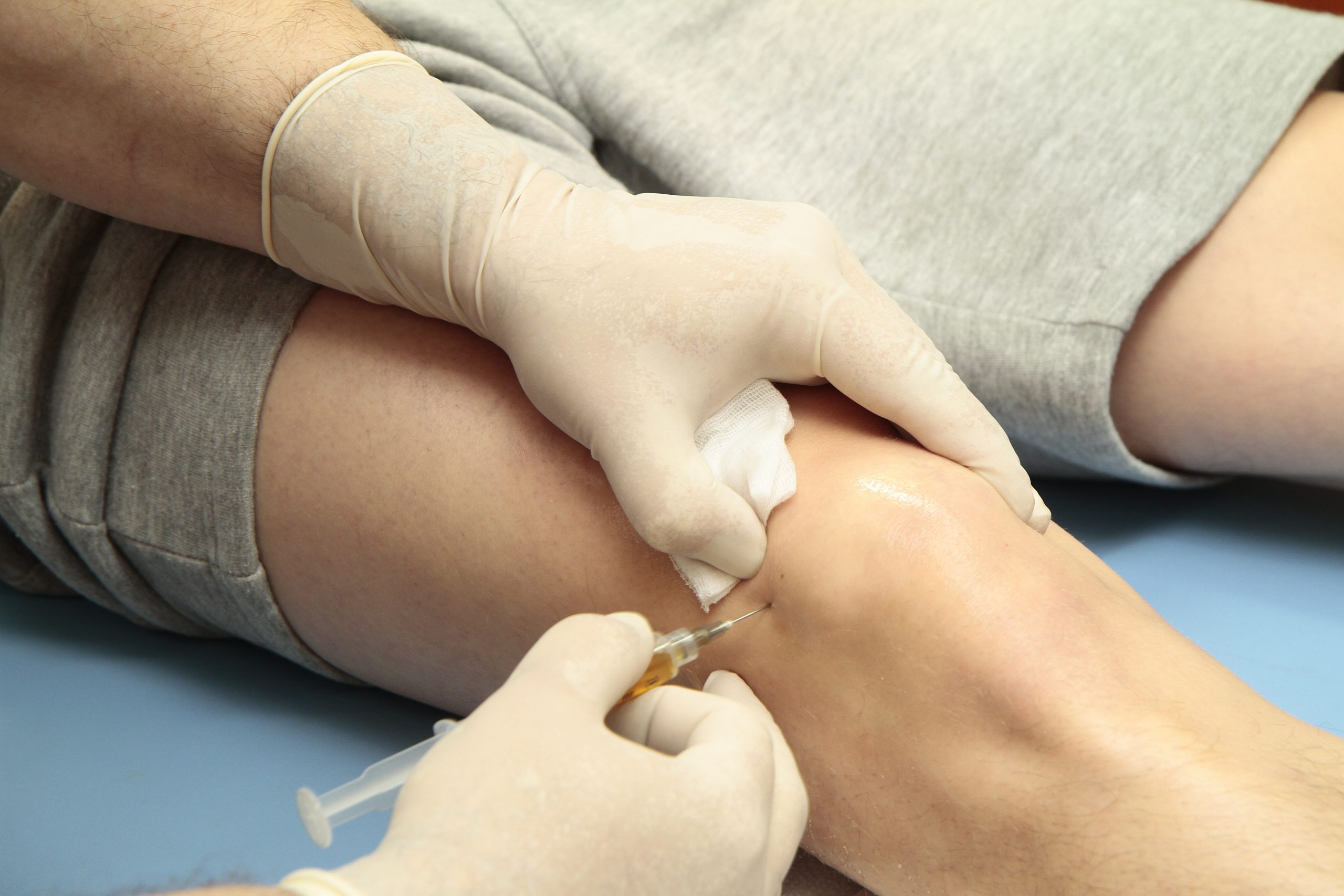
Arthrosamid is an innovative injection designed specifically for moderate knee OA. Unlike traditional injections, such as steroids or hyaluronic acid, Arthrosamid is made from a biocompatible hydrogel that closely mimics the cushioning effect of healthy cartilage. The gel is injected directly into the knee joint using ultrasound to ensure accuracy. This treatment provides long-lasting cushioning and lubrication, helping to reduce pain and improve joint movement. Studies show that “polyacrylamide hydrogel injections… [are] known to be safe and efficacious in knee osteoarthritis patients” (Gao et al., 2025a). When comparing Arthrosamid to other injectables, it’s worth noting that “there was no significant difference in the likelihood of surgical interventions between low-, moderate-, and high-molecular-weight hyaluronic acid users” (Shewale et al., 2017). This highlights the need for new approaches like Arthrosamid that work differently to support knee health.
Arthrosamid is best suited for those with moderate knee OA who are not yet ready for surgery or prefer to try non-surgical options first. These individuals usually experience ongoing joint pain and reduced function despite treatments such as physiotherapy, pain relief medication, and lifestyle changes. Research has found that Arthrosamid “provided improvement in knee OA symptoms over 24 months, particularly in older, non-diabetic patients with lower knee OA grades” (Gao et al., 2025a). This suggests that certain patient groups may gain more noticeable benefits, emphasising the importance of a personalised approach.
One of the key advantages of Arthrosamid is its potential to delay the need for surgery. Acting as a “bridge option”, it offers symptom relief and improves joint function, potentially prolonging the life of the natural knee. For example, “49 patients required total knee replacement over two years, with those having more advanced knee OA more likely to have surgery” (Gao et al., 2025a). This underlines how earlier use of Arthrosamid may help some patients postpone surgery. Traditional injectables like hyaluronic acid have been used to delay surgery too. However, a large study observed: “There was no significant difference in the likelihood of surgical interventions between low-, moderate-, and high-molecular-weight hyaluronic acid users after adjusting for confounders” (Shewale et al., 2017). This further supports exploring novel treatments such as Arthrosamid for those looking for more lasting symptom control.
Choosing the right treatment for knee osteoarthritis benefits from expert advice. Professor Paul Lee, an experienced orthopaedic surgeon and rehabilitation specialist, offers extensive knowledge in cartilage preservation and minimally invasive treatments like Arthrosamid. His roles with the Royal College of Surgeons of Edinburgh demonstrate his commitment to patient care and advancing treatment methods. The London Cartilage Clinic, where Professor Lee practises, provides a welcoming and professional setting with personalised care plans and ongoing support. This ensures patients receive clear guidance to make informed choices about managing their knee OA.
Managing moderate knee OA often requires a combined approach. Arthrosamid can be part of a wider plan alongside physiotherapy, muscle strengthening, weight management, and lifestyle changes designed to protect the joint. It is important to discuss all options with healthcare professionals experienced in knee conditions, as “further studies are warranted to validate efficacy, refine patient selection, and evaluate long-term impact” (Gao et al., 2025a). A personalised plan maximises the chances of maintaining mobility and comfort.
Arthrosamid presents a promising non-surgical option for managing moderate knee osteoarthritis. By cushioning and lubricating the joint, it can help reduce pain, improve movement, and delay the need for surgery, supporting a more active and fulfilling lifestyle. Expert care from specialists like Professor Paul Lee at the London Cartilage Clinic ensures patients receive the best advice and support throughout their treatment journey. Always consult a qualified healthcare professional for personalised medical advice.
Arthrosamid uses a unique biocompatible hydrogel that closely mimics natural cartilage, providing more sustained cushioning and lubrication for knee joints than standard steroid or hyaluronic acid injections, making it an attractive option for managing moderate osteoarthritis symptoms.
Arthrosamid is particularly suitable for individuals with moderate knee osteoarthritis who seek to delay surgery or prefer non-surgical management. Professor Paul Lee’s expertise ensures a tailored approach, maximising the likelihood of symptom improvement with appropriate patient selection.
Professor Paul Lee, renowned for his cartilage care and minimally invasive treatments, holds ambassador and advisory roles at the Royal College of Surgeons of Edinburgh. His leadership assures patients of high-quality, evidence-based care at the London Cartilage Clinic for optimal treatment outcomes.
Arthrosamid offers a valuable ‘bridge’ for people wishing to postpone surgery, providing symptom relief and improving joint function. While every case is different, Professor Paul Lee can help patients explore Arthrosamid as part of personal treatment strategies to maintain activity.
At London Cartilage Clinic, patients receive expert assessment, personalised care plans, and clear guidance from Professor Paul Lee and his team. Ongoing support is provided throughout the treatment journey, ensuring optimal care for moderate knee osteoarthritis and associated conditions.
All our treatments are selected to help patients achieve the best possible outcomes and return to the quality of life they deserve. Get in touch if you have any questions.
At London Cartilage Clinic, we are constantly staying up-to-date on the latest treatment options for knee injuries and ongoing knee health issues. As a result, our patients have access to the best equipment, techniques, and expertise in the field, whether it’s for cartilage repair, regeneration, or replacement.
For the best in patient care and cartilage knowledge, contact London Cartilage Clinic today.
At London Cartilage Clinic, our team has spent years gaining an in-depth understanding of human biology and the skills necessary to provide a wide range of cartilage treatments. It’s our mission to administer comprehensive care through innovative solutions targeted at key areas, including cartilage injuries. During an initial consultation, one of our medical professionals will establish which path forward is best for you.
Contact us if you have any questions about the various treatment methods on offer.
Legal & Medical Disclaimer
This article is written by an independent contributor and reflects their own views and experience, not necessarily those of londoncartilage.com. It is provided for general information and education only and does not constitute medical advice, diagnosis, or treatment.
Always seek personalised advice from a qualified healthcare professional before making decisions about your health. londoncartilage.com accepts no responsibility for errors, omissions, third-party content, or any loss, damage, or injury arising from reliance on this material. If you believe this article contains inaccurate or infringing content, please contact us at [email protected].